

A woman standing in a vineyard looking off into the distance holding a flute of prosecco

What is Prosecco?

Understanding Italy’s Signature Sparkling Wine

Crafted primarily in the Veneto and Friuli Venezia Giulia regions of Northeastern Italy, Prosecco is Italy’s beloved sparkling wine savored around the world. Unlike Champagne, which hails from France, Prosecco is distinctly Italian, both in origin and production method.

The word “Prosecco” refers to both the wine and the protected designation of origin (DOC and DOCG). To be called Prosecco, the wine must be produced in specific Italian regions and adhere to strict standards for production and quality. The name itself comes from the Italian village of Prosecco near Trieste, Italy.

At its core, Prosecco embodies celebration, approachability, and relishing in la dolce vita–the sweet life. By design, Prosecco is meant to be enjoyed young and fresh, when its dynamic fruit flavors and energetic bubbles are at their prime, making this sparkling wine ideal for everything from casual get-togethers to elaborate dinner parties.
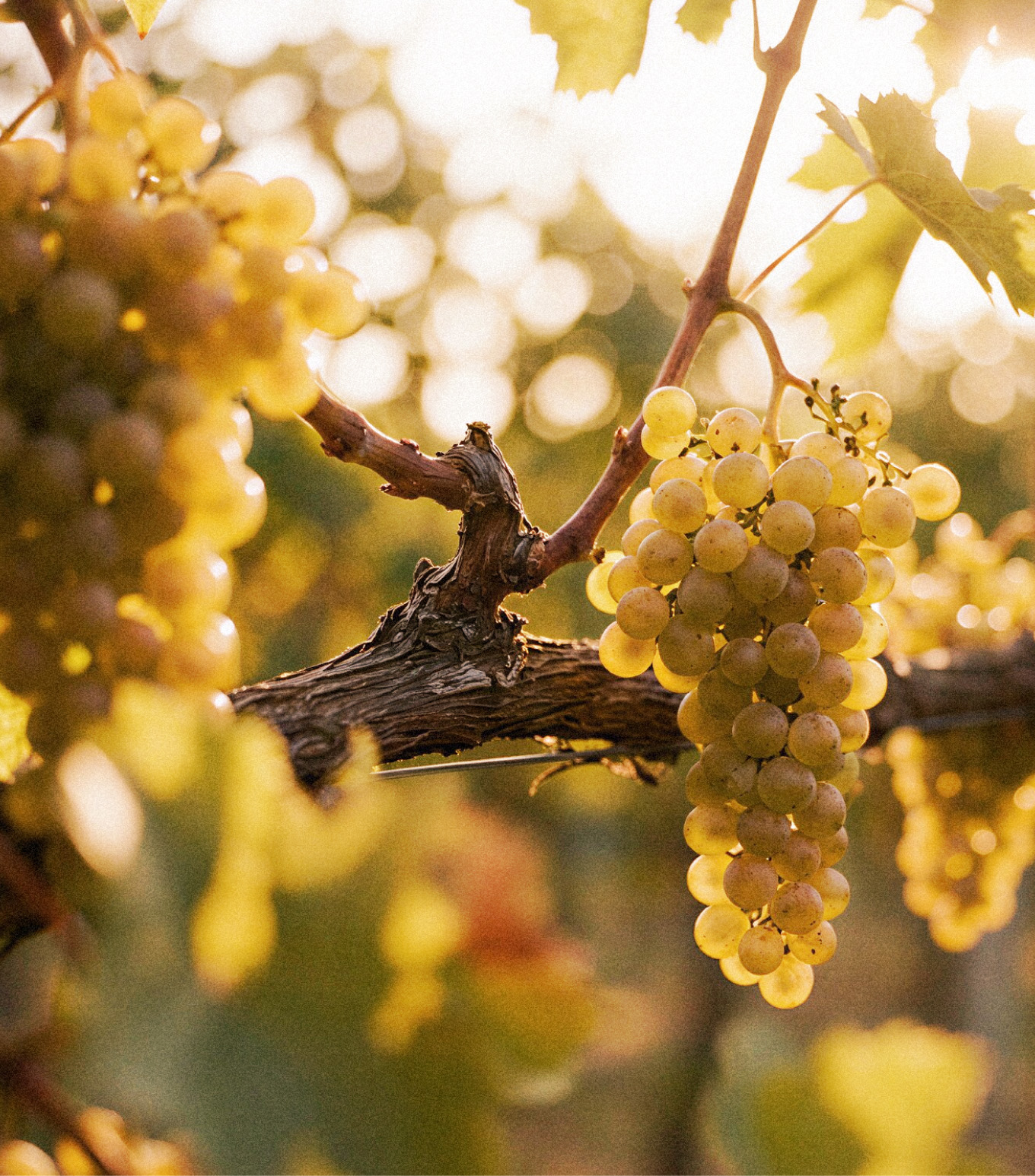

Close up of prosecco wine grapes on the vine

How is Prosecco Made?

The Glera Grape

Prosecco begins with Glera, a native Italian grape variety thriving throughout the hillsides of the Veneto region. Glera grapes are known for producing wines with intricate floral aromas, crisp acidity, and invigorating fruit flavors, characteristics which define quality Prosecco wines. These grapes are typically harvested by hand in late summer or early fall once they’ve reached optimal ripeness.

Close up of the bottom ends of Prosecco bottles that are stacked horizontally in a grid pattern

The Charmat Method

What sets Prosecco apart from Champagne isn’t just where this sparkling wine is made, but also how it’s made. Prosecco is produced using the Charmat method, also known as the tank method or traditional Italian sparkling wine method. This winemaking technique is specifically designed to preserve the wine’s fresh, fruity character.

Here’s how the Charmat method works: First, the base wine is fermented. For Avissi Prosecco, this first fermentation takes place in concrete tanks. Next, it’s time to bring the bubbles to the party. The wine undergoes a secondary fermentation in large, pressurized stainless steel tanks, called autoclaves, rather than in individual bottles. Yeast and sugar are added to the base wine in the tank and as the yeast consumes the sugar, alcohol and carbon dioxide are produced, which is how Prosecco gets its satisfying effervescence.

Sunny scene of many hands making a toast with flutes filled with Prosecco

Why the Charmat Method Matters

This sparkling wine production method is intentional. The Charmat method preserves Prosecco’s characteristic freshness and bright fruit flavors rather than introducing the toasty, yeast-driven notes you’d find in Champagne. It’s what makes Prosecco so approachable, food-friendly, and a great match for everyday celebration.

View of Veneto landscape with farmhouse and terraced vineyards and hills in the background

Understanding the Prosecco DOC

You’ll often see “DOC” or “DOCG” on Prosecco labels, but what does it mean?

DOC (Denominazione di Origine Controllata) and DOCG (Denominazione di Origine Controllata e Garantita) are Italian quality designations guaranteeing the wine is produced in a specific region and meets specific production standards.

The Prosecco DOC encompasses a large area across the Veneto and Friuli Venezia Giulia regions. Wines labeled Prosecco DOC, like Avissi, must be made from at least 85% Glera grapes and produced within the designated zone. This DOC designation ensures consistent quality and authenticity for all who enjoy a Prosecco DOC wine.

The Prosecco DOCG includes Prosecco Superiore from Valdobbiadene Conegliano and Asolo, and represents wines from smaller, prestigious sub-regions with even stricter regulations. These wines often command higher prices and are considered some of the finest expressions of Prosecco.

Both designations guarantee you’re savoring authentic Italian Prosecco made with care in alignment with tradition.

Two flutes filled with prosecco held by two hands in a toast

Is Prosecco Dry or Sweet?

This is one of the most common questions about Prosecco. The answer: it depends! Prosecco is made in various sweetness levels, usually indicated on the label.

Properties Details
Extra Brut: The driest style with the least amount of residual sugar (0-3g/L)
Brut: A crisp and refreshing style with minimal residual sugar (3-12 g/L)
Extra Dry: A common, popular style. Despite the name, this style is slightly sweeter than Brut (12-17 g/L)
Dry: Noticeably sweet (17-32 g/L), though still balanced by acidity
Demi-Sec: The sweetest style (32-50 g/L) that’s best served with dessert

Most Prosecco, including Avissi, falls into the Extra Dry category, meaning it has just a touch of sweetness that’s beautifully blanched by lively acidity. This makes Avissi Prosecco incredibly versatile for pairing with food and mixing in cocktails.

Close up of prosecco bubbles

Prosecco vs. Spumante: What’s the Difference?

Technically, Prosecco is a type of spumante, since spumante is Italian for “sparkling.”

However, when you see “spumante” on a label, it can refer to any Italian sparkling wine, which could be made from a variety of grapes in different regions. On the other hand, Prosecco specifically refers to sparkling wine made from Glera grapes in the designated DOC or DOCG regions.

When it comes to Prosecco, here are a few additional terms you may encounter on the label:

Frizzante:
A style of Prosecco sparkling wine with a less intense perlage or less persistent bubbles, often considered a lightly sparkling wine.

Rosé:
A rosé style of Prosecco that’s typically a pale pink color made mainly from Glera and Pinot Nero (Pinot Noir) grapes.

Tranquillo:
A still wine with no bubbles made in Prosecco.

A bowl of ice with bottles of Avissi Prosecco

Why Choose Prosecco?

Prosecco has become one of the world’s most treasured sparkling wines for good reason. It’s crowd-pleasing, dynamic, and celebratory, fitting for everything from brunch mimosas to grand occasions. With its fresh fruit flavors, lively bubbles, and food-friendly profile, Prosecco fits seamlessly into all of life’s glittering moments.

Unlike traditional method sparkling wines like Champagne, Prosecco is light and refreshing, making it ideal for warm weather, outdoor entertaining, casual gatherings, and more. It’s also incredibly dynamic as the star of spritzes, bellinis, and countless creative Prosecco cocktails.

Perhaps best of all, high quality Prosecco like Avissi consistently delivers exceptional taste without the premium price tag of Champagne, making everyday celebration not just possible, but effortless.

Find Our Wine